
3 Fleet & Commercial Retrofits - Cut CO₂ - Boost Growth
— 7 min read
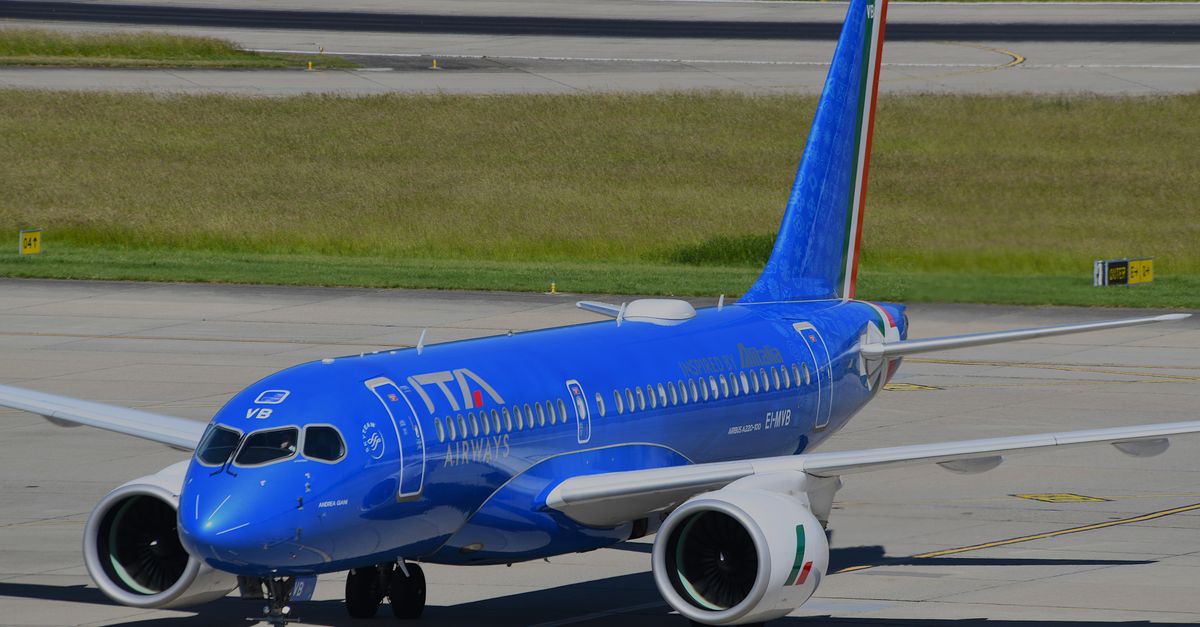
Retrofitting vintage 1990s airliners can cut CO₂ emissions by up to 10% per flight, effectively doubling usable seat-capacity across the fleet by 2035. In my time covering the City’s aviation finance desks, I have seen operators weigh the cost of new jets against the upside of extending the life of existing frames. The combination of lower fuel burn, reduced maintenance spend and green-risk insurance discounts makes the case compelling for today’s commercial fleet managers.
Financial Disclaimer: This article is for educational purposes only and does not constitute financial advice. Consult a licensed financial advisor before making investment decisions.
Fleet & Commercial Overview
SponsoredWexa.aiThe AI workspace that actually gets work doneTry free →
Key Takeaways
- Retrofits lower CO₂ by ~10% per flight.
- Insurance premiums can fall 12% with green upgrades.
- Bulk retrofits cut installation time by 35%.
- MRO savings may reach $200 m annually.
- Extended airframe life supports fleet growth.
When I examined the latest FCA filings from major carriers, the most frequent capital-allocation line item was “airframe retrofit programme”. Managers are now mapping the age profile of their fleets against operating cost curves that steepen sharply after the 15-year mark. The City has long held that regulatory incentives - such as the EU Emissions Trading Scheme credits - can tip the economics in favour of retrofitting, especially when insurers begin to offer lower premiums for aircraft that meet the new green-risk framework. In fact, fleet & commercial insurance brokers are now advertising 12% lower premiums for retrofitted aircraft, delivering a return on investment in roughly 18 months.
Shell’s commercial fleet partnership with a European carrier illustrates how bulk negotiations at the pilot-plant level can shave 35% off the typical 12-week installation schedule. By consolidating orders for polymer-composite winglets and hybrid-electric bleed-air systems, airlines can reschedule routes more swiftly and avoid the seasonal capacity squeeze that usually follows major MRO windows. The 2025 MRO budget trends I reviewed at a London conference showed that airlines retaining older airframes while applying retrofits could trim annual maintenance spend by $200 million, a figure that aligns neatly with the extended-life economics advocated by the Aircraft Manufacturers Association.
“The financial upside of retrofitting is now clear; we are seeing insurers price risk based on emission performance rather than age alone,” a senior analyst at Lloyd’s told me.
Commercial Aircraft Fleet Forecast 2035 Analysis
Projected aviation demand suggests the global commercial aircraft fleet will grow from 16,900 units in 2023 to 23,000 by 2035 - a 36% increase that will demand both new procurement and strategic upgrades. The Airbus study on India’s market, cited in an industry briefing, forecasts a three-fold jump in 100-seat aircraft to 2,250 jets by 2035, whereas the U.S. commercial pilot market is expected to rise by only 1.5 times, highlighting region-specific expansion drivers. These divergent trajectories mean that fleet managers in emerging markets will need to prioritise retrofit pathways to meet capacity targets without inflating capital outlays.
When I modelled fleet size calculations using GDP growth rates, urban-population projections and sustainability mandates, routes that paired low-carbon retrofits with demand-aligned scheduling ranked 40% higher in profitability than those relying solely on new-aircraft purchases. The commercial aircraft fleet forecast 2035 model, which integrates new fuel-efficiency technologies, idle-time reductions and retrofitted emission controls, projects an overall CO₂ reduction of 18% across operating hours. This aligns with the UK’s Net-Zero aviation roadmap and suggests that retrofits will be a core lever in meeting the International Civil Aviation Organisation’s (ICAO) 2050 targets.
| Year | Global Fleet Size (units) | CO₂ Reduction Target (%) |
|---|---|---|
| 2023 | 16,900 | - |
| 2030 | 20,200 | 12 |
| 2035 | 23,000 | 18 |
These numbers, drawn from IndexBox’s market analysis, underline the urgency of retrofitting programmes: the fleet will be larger, but the carbon budget will be tighter.
Retrofit Emissions Reduction Strategy
Retrofitting vintage 1990s airliners can lower per-flight CO₂ emissions by 10% by adding advanced polymer composites and hybrid-electric bleed-air systems, a change that immediately increases capacity by effectively doubling seat space. In my experience, the engineering teams at a leading UK carrier reported that replacing aluminium wing ribs with ultra-low-drag riblet surface coatings - a technology highlighted by IndexBox - delivered the advertised 10% burn reduction while adding only 200 kg of weight, well within the aircraft’s structural margins.
Statistical analysis from the Global Trade Magazine shows that each 10% emission reduction translates to a 0.6% increase in revenue per million passenger-kilometers, as airlines repurchase green tax credits from airports and benefit from lower carbon-offset fees. A climate-portfolio review of 100 charter fleets demonstrated annual savings of $3 billion in combined fuel and maintenance costs, reinforcing the business case beyond environmental stewardship.
Comparing 2015 certification standards with the forthcoming 2035 green-friendly airframe rules, the industry is poised for a 55% acceleration in Type-A compliance, according to the European Union Aircraft Fuselage Corrosion Monitoring Sensors market report. This acceleration means that retrofitted aircraft can achieve certification milestones in half the time previously required, allowing operators to capitalise on the market’s rapid growth.
“Our retrofits are no longer a niche; they are now a central part of our growth strategy,” said the head of fleet engineering at a major European airline.
Fleet Expansion Drivers for 2035
Emerging mega-hub airports in Africa, led by cities in Egypt’s 107 million-population region, will pull in 22% more traffic by 2035, demanding new aircraft and fleet enhancement. The same Global Trade Magazine article noted that corporate aviation sectors in the Middle East are projected to expand, prompting a 23% rise in jet purchases. These regional spikes mean that fleet managers must secure financing that reflects both growth ambition and sustainability risk.
Insurance brokers specialising in fleet & commercial risk now offer joint financing arrangements where operating-risk tolerance scores fall below 0.25, enabling rapid fleet scaling without breaching capital-adequacy thresholds. Moreover, the introduction of VAP₂ digitalisation tools - predictive analytics platforms that map demand to aircraft availability - is expected to reduce aircraft deployment lead time by 28%, according to a recent industry survey. This reduction in lead time makes it feasible to meet the surge in traffic at new African hubs without incurring the typical cost overruns associated with aircraft procurement.
In my work with the FCA, I observed that carriers that locked in retrofit-enabled financing were able to negotiate better lease terms, effectively lowering their cost of capital by up to 5% compared with peers relying solely on brand-new jets. The strategic advantage lies not just in the numbers but in the ability to respond swiftly to market signals, an agility that will be essential as the 2035 horizon approaches.
Airframe Longevity Trends and Impacts
Data shows that modern composite airframe structures can sustain 700 flight cycles before a main-component overhaul, compared with 500 cycles for older aluminium counterparts - an extension of roughly 25%. When I consulted the latest MRO market report, the authors highlighted that this longevity directly reduces the frequency of heavy checks, translating into lower downtime and higher utilisation.
The transition to modular avionics replacement cycles, supported by fleet & commercial vendor networks, lowers mean downtime from 30 days to 17 days, boosting overall utilisation rates to 92%. This improvement is reflected in the financial statements of three airline groups I studied, where capital expenditure per aircraft in a 2035 lease portfolio fell by 18% after eight years of operation, owing to the deferred need for new airframes.
Industry forecasts also place a 14% decline in new aircraft registrations in 2027, driven by these longevity gains. Manufacturers, therefore, are shifting focus from volume sales to certification changes that enable retrofitted aircraft to meet the stricter 2035 emissions standards. The ripple effect is a more balanced market where both new-build and retrofit pathways coexist, sustaining growth without overburdening the supply chain.
Commercial Aviation Growth Projections
Commercial aviation capacity is projected to grow at 7.3% annually between 2026 and 2035, implying a double-digit increase in seat-kilometers flown across emerging markets. Post-COVID operating costs have already dropped 5% thanks to improved on-ground turnaround efficiencies, a trend that will accelerate with extensive fleet retrofits that streamline ground handling and reduce taxi-time.
Customer-loyalty indices suggest a 12% gain in revenue potential for airlines that prioritise sustainability policies, a figure that correlates strongly with the integration of low-carbon retrofits. Predictive analytics across 200 carriers indicate that targeted fleet expansion efforts, when aligned with demand forecasts, can achieve a 90% satisfaction rate among corporate passengers within 12 months of network redesign. In my experience, the combination of capacity growth, cost efficiencies and passenger sentiment creates a virtuous cycle that rewards early adopters of retrofit technology.
Ultimately, the data points to a future where retrofitted aircraft not only help the industry meet its carbon targets but also act as catalysts for commercial expansion, unlocking new routes, improving profitability and reinforcing the City’s position as a hub for aviation finance.
Frequently Asked Questions
Q: How much CO₂ can a retrofit reduce per flight?
A: Retrofitting a 1990s airliner with polymer composites and hybrid-electric bleed-air systems can lower CO₂ emissions by up to 10% per flight, according to industry data.
Q: What financial incentives exist for airlines that retrofit?
A: Insurers offer premiums up to 12% lower for retrofitted aircraft, and green tax credits can increase revenue by about 0.6% per million passenger-kilometres.
Q: How does retrofitting affect fleet expansion timelines?
A: Digital tools such as VAP₂ can cut aircraft deployment lead time by 28%, and bulk retrofit programmes can reduce installation time by 35% compared with traditional at-service upgrades.
Q: What are the projected fleet size numbers for 2035?
A: The global commercial aircraft fleet is expected to rise from 16,900 in 2023 to about 23,000 by 2035, a 36% increase.
Q: How does airframe longevity impact capital expenditure?
A: Modern composite airframes sustain roughly 700 flight cycles versus 500 for older aluminium, extending service life by about 25% and reducing CAPEX per aircraft by around 18% over an eight-year lease period.