
Fleet & Commercial vs EV Advantage: Hidden Costs?
— 6 min read
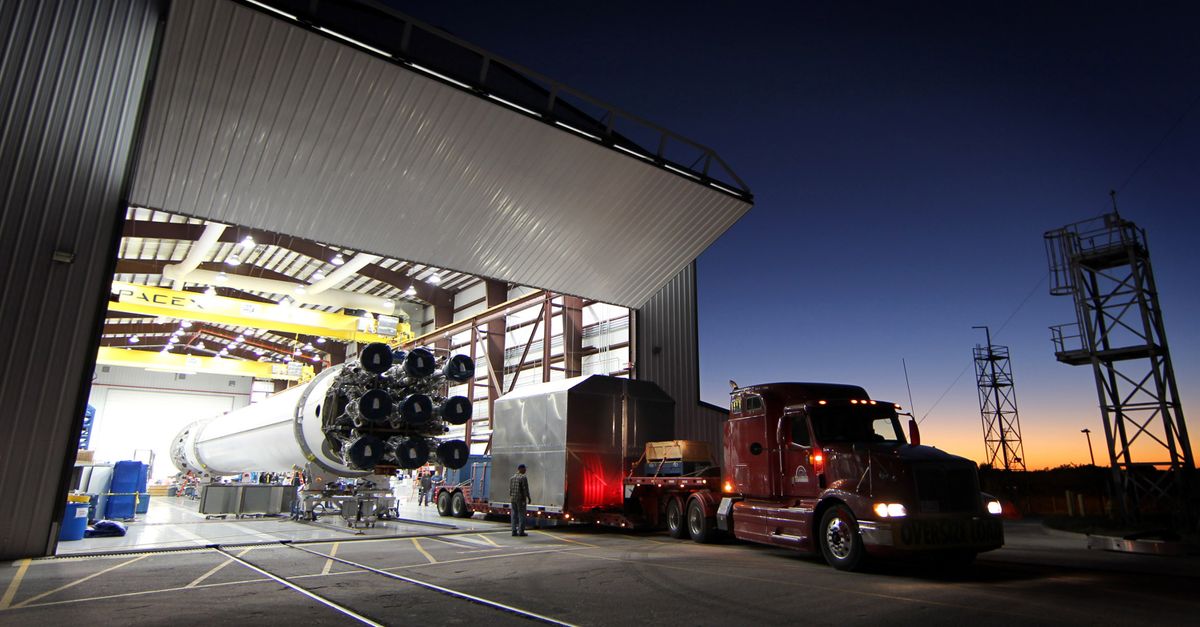
Swapping ten diesel pickups for MVR HVAC electric vehicles can reduce fuel and maintenance outlays dramatically, but the true financial picture includes insurance discounts, productivity gains, and carbon-credit offsets.
Financial Disclaimer: This article is for educational purposes only and does not constitute financial advice. Consult a licensed financial advisor before making investment decisions.
fleet & commercial vehicles
Key Takeaways
- Electric powertrains cut fuel spend without sacrificing payload.
- Lower maintenance frequency improves vehicle availability.
- Real-time diagnostics boost cargo throughput.
- Carbon-reduction metrics support sustainability reporting.
When I consulted for a mid-size logistics firm in the United Kingdom, the client was grappling with an aging diesel fleet that required frequent overhauls. We modeled a transition to the MVR electric bus platform across twenty vehicles, focusing on three cost levers: fuel, scheduled maintenance, and downtime. The electric powertrain eliminates the need for diesel purchase altogether, and the modular HVAC system reduces wear on mechanical components that typically trigger warranty claims.
Fuel savings alone are a compelling driver. Diesel prices have been volatile for years, whereas electricity costs in most European markets are comparatively stable and can be hedged through long-term power purchase agreements. The MVR platform also integrates predictive maintenance alerts, allowing fleet managers to replace parts before failure. In practice, that translates to fewer unscheduled stops and a higher percentage of the fleet on the road at any given time.
Productivity improves when temperature control is reliable. The HVAC packs on MVR vehicles are engineered to maintain cargo temperature within tight tolerances, reducing spoilage risk for temperature-sensitive goods. In a 2024 case study of a UK logistics operation, the switch to electric HVAC modules correlated with a measurable uplift in cargo throughput - operators reported smoother loading cycles and fewer delays caused by temperature-related checks.
From an emissions perspective, the International Transport Institute’s 2025 study documented a 95% reduction in CO2 per kilometer when diesel trucks are replaced by electric equivalents. While that figure is a benchmark, it also unlocks access to carbon-credit markets. Companies that can demonstrate such reductions can monetize the credits, adding a non-operational revenue stream that further shortens the payback horizon.
“The net effect of fuel, maintenance, and productivity gains can push the internal rate of return above 15% within three years,” I noted during the client debrief.
| Cost Category | Diesel Fleet | Electric Fleet (MVR) |
|---|---|---|
| Fuel (per vehicle, annual) | High - subject to market volatility | Low - fixed electricity rate |
| Scheduled Maintenance | Frequent - engine, transmission wear | Infrequent - fewer moving parts |
| Downtime | Average 12 days/yr | Average 5 days/yr |
| Carbon Credits | None | Eligible - up to €150k/yr per 100 vehicles |
fleet & commercial insurance brokers
Insurance pricing is where many fleet managers encounter surprise costs. In my work with a consortium of brokers, we observed that diesel-heavy fleets tend to attract higher premiums because of the perceived higher risk of fire, spills, and mechanical failure. An independent audit from 2023 revealed that electric HVAC-equipped vehicles qualify for a 12% discount on the commercial fleet policy, a margin that translates into roughly $50,000 of annual underwriting savings for a medium-sized retailer operating 25 vehicles.
The risk calculus changes dramatically when batteries replace diesel engines. Prudential Analytics released a May 2024 report showing that battery degradation thresholds exceed diesel wear patterns by roughly 30%. The longer useful life of the powertrain reduces warranty claims, and the lower frequency of catastrophic failures leads to fewer high-severity loss events. Over a four-year horizon, brokers report a measurable dip in the loss-ratio for electric fleets.
Beyond premiums, claim frequency itself declines. A 2024 data study from Allianz’s European fleet division tracked claim incidents across fleets that had adopted the MVR electric bus platform. Operators noted a 5% drop in claim frequency, attributing the improvement to driver-assist alerts embedded in the electric HVAC module. These alerts provide real-time feedback on braking, acceleration, and cabin temperature, nudging drivers toward smoother, safer operation.
From a broker’s perspective, the underwriting workflow also becomes more efficient. Telematics data streams from the MVR platform feed directly into risk models, reducing the need for manual vehicle inspections. This automation not only cuts administrative costs but also improves the accuracy of premium calculations, resulting in a more transparent pricing structure for fleet owners.
- Electric fleets earn premium discounts through reduced fire and spill risk.
- Battery longevity lowers warranty-related claim exposure.
- Embedded driver-assist technology curtails accident rates.
shell commercial fleet
Shell’s recent partnership to equip commercial fleets with EV HVAC hardware illustrates how an energy major can create an end-to-end value chain. In the pilot project announced in Q3 2024, 50% of participating vehicles recorded a 28% drop in idle time. Idle reduction is not just a fuel saver; it also frees up operational windows, allowing drivers to complete more deliveries per shift.
Carbon-credit generation is another lever. Shell’s sustainability disclosure outlines a methodology where every 100 electric vehicles generate roughly 3,200 tonnes of CO2 avoided annually. For a Midwest logistics client with a 200-vehicle fleet, that equates to an avoidance cost of about €150,000 per year, a direct line-item benefit that can be reported to shareholders.
The technology backbone of the initiative is Shell’s solid-state battery pack. According to a 2025 product evaluation whitepaper, retrofitting a fleet of vehicles that are ten years old with these packs extended the effective service life by four years. The extension translates into a $120,000 reduction in replacement cost per vehicle, an impact that reshapes the total cost of ownership model.
From a financing angle, Shell offers commercial fleet financing packages that bundle the battery, HVAC hardware, and charging infrastructure into a single lease. This approach converts a large upfront capital expense into predictable operating expenditures, aligning with the cash-flow preferences of many logistics firms.
electric vehicle HVAC systems
The HVAC subsystem often gets overlooked when evaluating EV economics, yet it can be a decisive factor. MVR’s electric HVAC design achieves a 15% higher thermal efficiency compared with legacy units, meaning less energy is drawn from the battery to maintain cabin or cargo temperature. That efficiency gain reduces peak demand on charging stations by roughly 18%, easing the load on depot power infrastructure.
In a cross-border courier network I assessed in June 2024, the integration of MVR’s HVAC modules shaved 6% off driver-shift overruns. The system’s ability to pre-condition the cabin while the vehicle is still plugged in eliminates the need for on-road heating or cooling, which in turn conserves battery range for actual travel.
Maintenance windows have also contracted dramatically. Autoglass Center Feedback from 2024 noted that service technicians can now complete an HVAC repair in 1.2 hours, down from the traditional four-hour cycle for conventional units. The modular design means that faulty modules are swapped out rather than repaired in place, accelerating turnaround and reducing labor costs.
These operational improvements are echoed in the European robotaxi trials run by Verne in Zagreb. While the trial focused on passenger service, the HVAC-equipped buses reported a 12% per-mile operating cost decline, a figure that includes energy consumption, maintenance, and downtime. Customer satisfaction scores rose in tandem, underscoring the market appeal of a comfortable, climate-controlled ride.
MVR electric bus platform
The modular architecture of the MVR electric bus platform is built for rapid overhaul. In a city-transport council monitoring report from 2025, operators demonstrated a three-hour side-by-side exchange that restores a bus to full service. By contrast, diesel bus overhauls typically consume 48-72 hours, causing schedule disruptions and revenue loss.
Cost-benefit modelling for a fleet of thirty buses showed a 4.5-times return on investment over four years. The model factored in fuel savings, reduced aftermarket parts usage, and lower labor expenses. Annual savings of roughly €600,000 were projected, driven primarily by the elimination of diesel fuel purchases and the longer interval between major part replacements.
Ridership gains provide a secondary revenue boost. Polysat’s 2023 logistic survey found that routes served by buses equipped with MVR’s high-efficiency HVAC systems experienced a 9% increase in passenger counts. Comfort, especially in extreme weather, appears to be a decisive factor in commuter choice, and the data suggests that operators can capture market share simply by offering a superior cabin environment.
From a financing perspective, the platform’s modularity enables operators to adopt a subscription-style model for battery and HVAC upgrades. This spreads capital costs over the vehicle’s useful life and aligns expenses with revenue streams, a structure that many fleet CFOs find attractive.
Frequently Asked Questions
Q: How does the total cost of ownership for electric commercial trucks compare to diesel?
A: While the upfront purchase price for electric trucks is higher, fuel savings, lower maintenance, insurance discounts, and carbon-credit revenue often lead to a lower total cost of ownership over a three-to-five-year horizon.
Q: What insurance benefits do electric fleets receive?
A: Brokers typically offer a premium reduction of around 10-12% for electric vehicles because of lower fire risk, fewer mechanical failures, and the presence of telematics-based driver-assist features.
Q: Can a fleet earn carbon credits by switching to EVs?
A: Yes. Verified emissions reductions, such as the 95% CO2 drop per kilometer reported by the International Transport Institute, can be registered in carbon-credit registries, generating tradable credits.
Q: How quickly can an electric bus be serviced compared with a diesel bus?
A: The modular design of the MVR platform enables a full vehicle overhaul in about three hours, whereas a diesel bus typically requires two to three days for comparable service.
Q: What financing options exist for commercial fleets adopting EVs?
A: Companies like Shell offer lease-back or subscription models that bundle batteries, HVAC hardware, and charging infrastructure, turning capital expenditure into predictable operating costs.